When to go
Best months for Northern Lights in Iceland
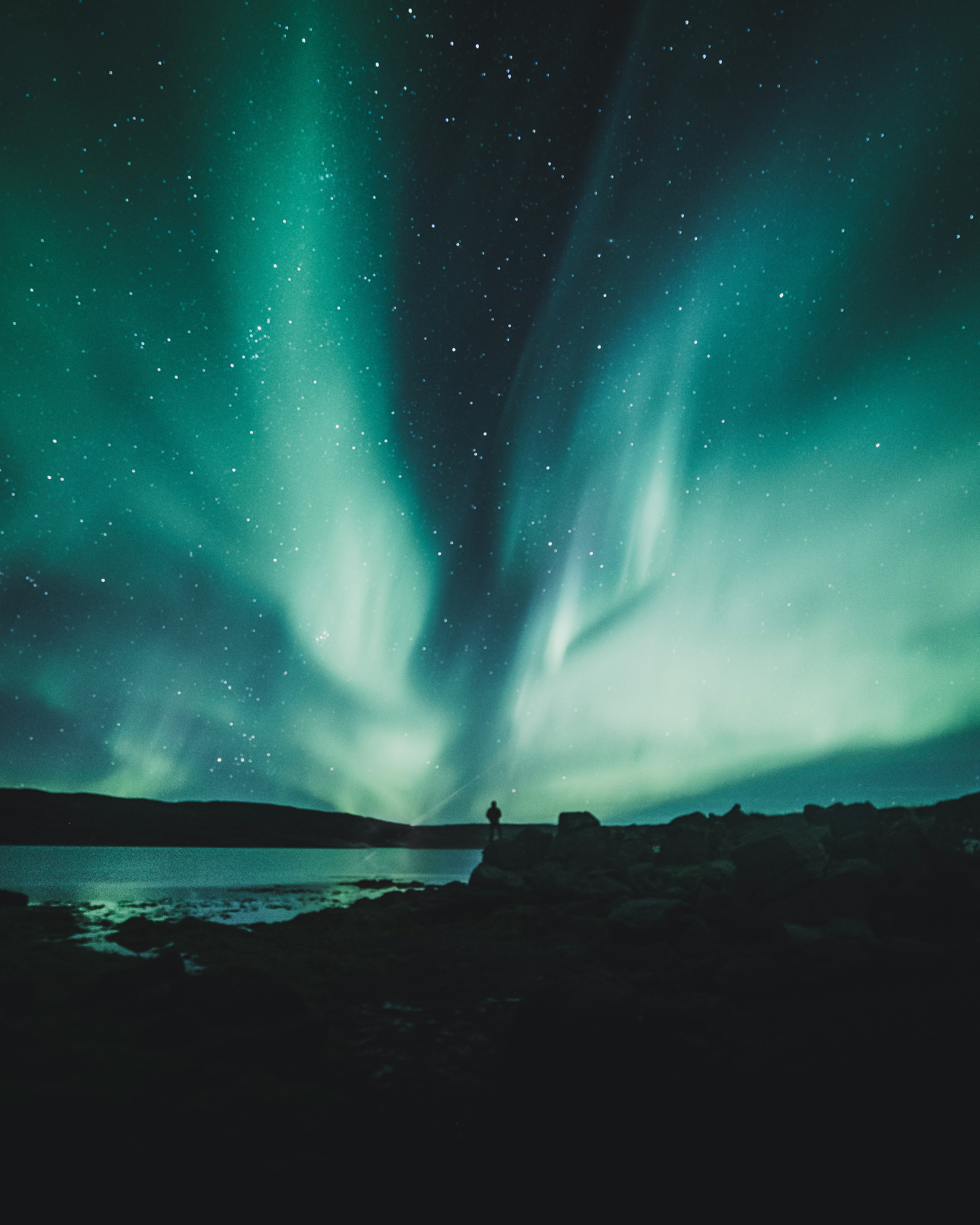
Late August through mid-April is aurora season. September and October offer milder weather, while February and March provide the longest, clearest nights.
Top months
- September–October: Early season with milder weather
- November–January: Long nights, colder conditions
- February–March: Peak visibility and stable darkness
Best time of night
- 21:00–01:00 is the most active window
- Keep flexibility for changing forecasts
- Stay out of city lights for stronger visibility
What to expect
The aurora is natural and unpredictable. A private tour helps you move fast to clearer skies.
Why private
Why private tours improve your chances
Private tours let you chase clear skies without waiting for a large group.
Flexible routing
We follow the forecast and can drive to darker skies on short notice.
More time for photos
We stop when the lights are strong and give you time for long-exposure photos.
Comfort & warmth
Private vehicles keep you warm between stops and you can customize breaks.
Book your tour
Ready to chase the Northern Lights?
Send your preferred dates and we will plan around the best forecast.
- Private vehicle and local driver
- Family-friendly and flexible service
- Dark-sky planning and flexible stops
- Free cancellation with 24h notice